The right template changes everything
From classic Start/Stop/Continue to creative Mountain Climb — find the format that fits how your team thinks. Every template is free.
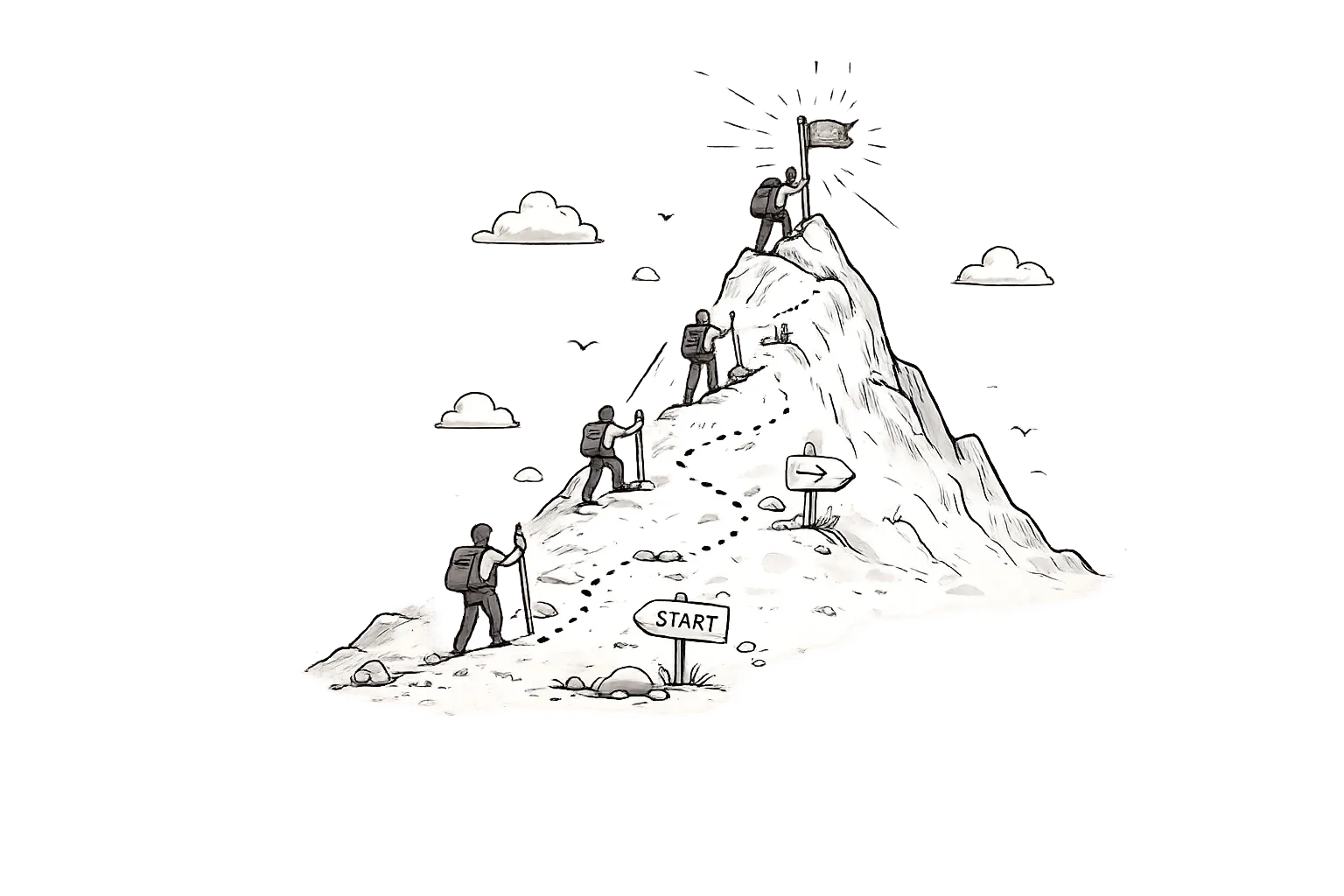
Mountain Climb
A forward-looking retrospective format that helps goal-oriented teams reflect on progress, identify blockers, and plan the next sprint like climbing a mountain.
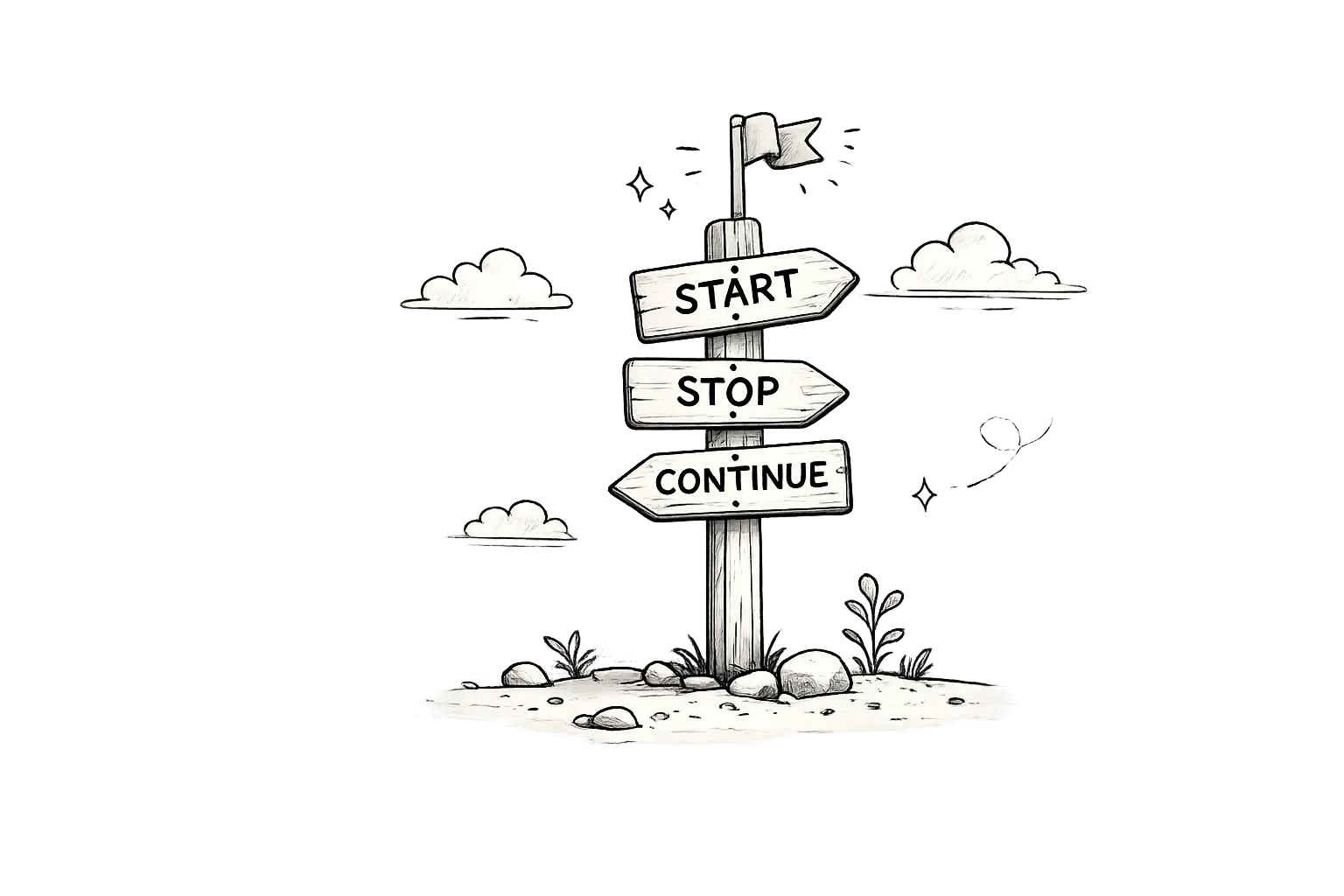
Start/Stop/Continue
A classic three-column retro format that helps teams identify new practices to adopt, unhelpful habits to drop, and winning behaviors to reinforce.

Mad/Sad/Glad
An emotion-based retro format that gives team members a safe space to express frustrations, concerns, and wins — building psychological safety and honest communication.

4Ls
A structured four-column retro format — Liked, Learned, Lacked, Longed For — that balances positive reinforcement with honest improvement areas.

Sailboat
A metaphorical retro format where the team is a sailboat — Anchors hold you back, Wind pushes you forward, and Rocks are risks to navigate around.
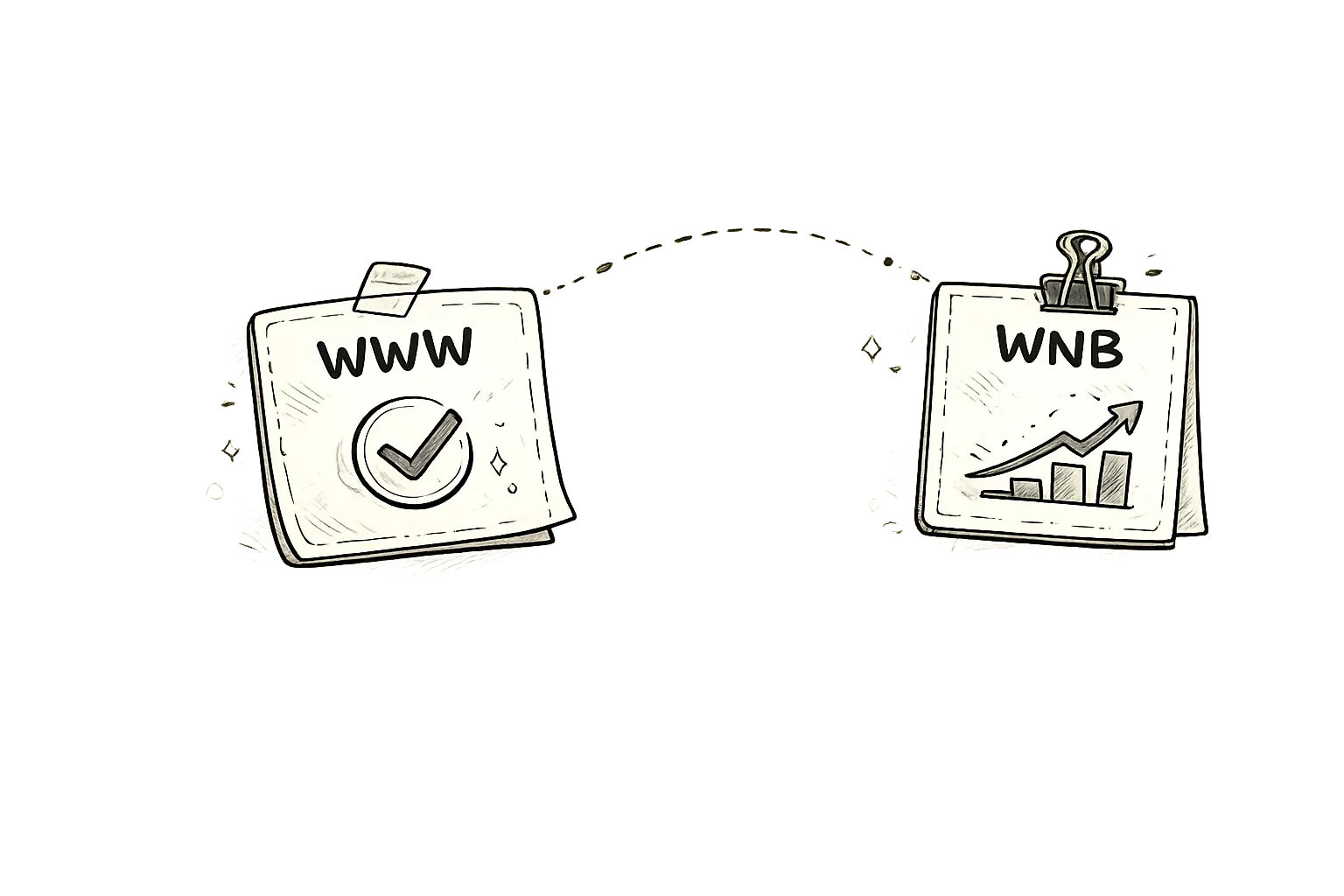
WWW & WNB
A focused two-column retro format — What Went Well and Needs Better — that balances celebration with honest improvement in the shortest possible time.
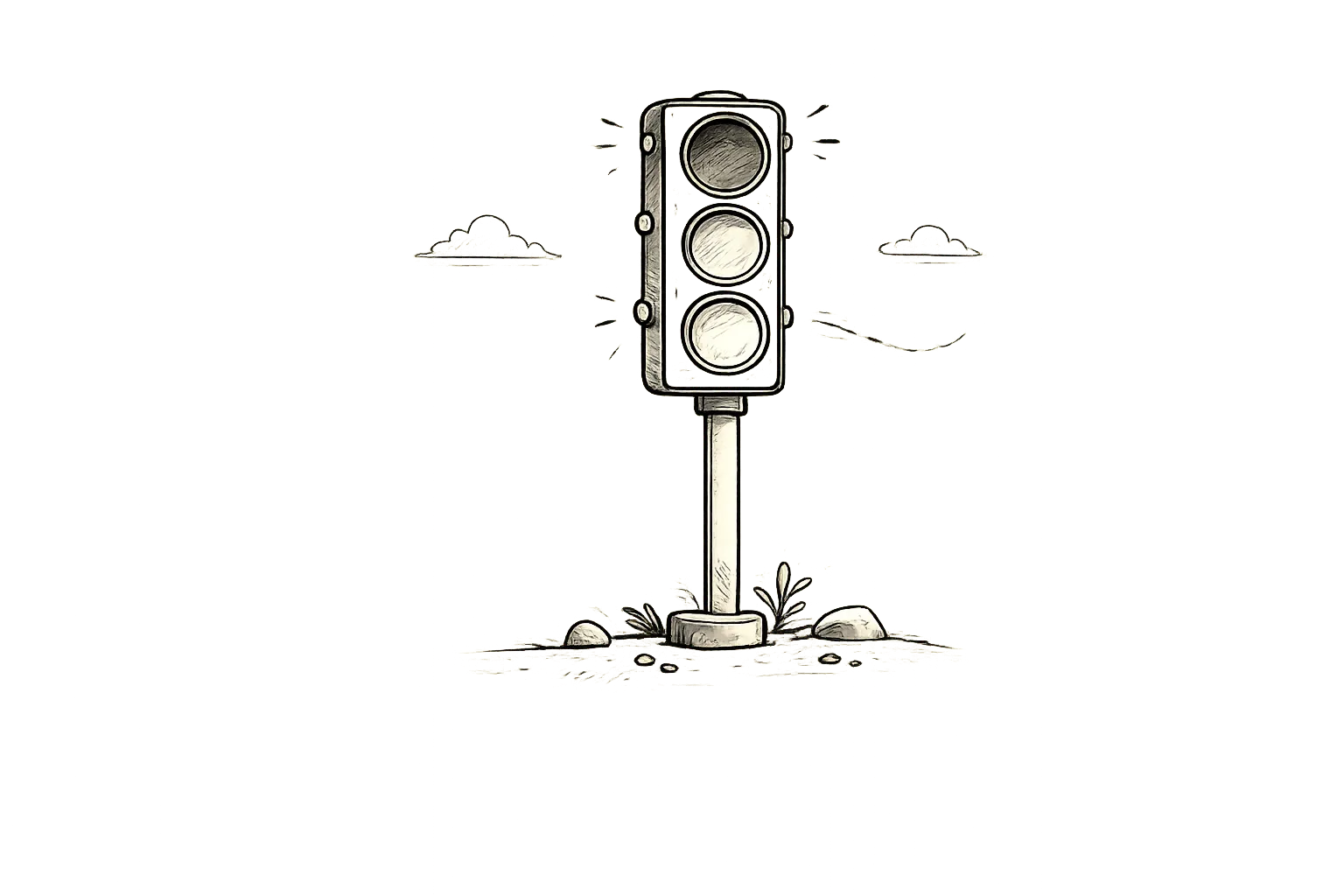
Stoplight
An intuitive traffic-light retro format — Red for blockers, Yellow for caution, Green for smooth sailing — that makes team health instantly visible at a glance.

DAKI
A four-column continuous improvement format — Drop, Add, Keep, Improve — that combines Start/Stop/Continue simplicity with actionable improvement granularity.
Choose the right template
Not sure where to start? Here's a quick guide to matching the format to your team's needs.
| Template | Best for | Columns | Time | Vibe |
|---|---|---|---|---|
| Mountain Climb | Scrum teams, Engineering squads | 5 | 20–30 min | Engineering, Scrum |
| Start/Stop/Continue | New teams running their first retro, Remote teams | 3 | 15–25 min | Agile, Scrum |
| Mad/Sad/Glad | Teams building psychological safety, Remote teams | 3 | 20–30 min | Product, Design |
| 4Ls | Product teams, Continuous improvement teams | 4 | 25–35 min | Product, Continuous Improvement |
| Sailboat | Engineering teams with technical debt, Creative teams | 3 | 20–30 min | Engineering, Agile |
| WWW & WNB | Quick weekly check-ins, New retro teams | 2 | 10–15 min | Scrum, Sprint Review |
| Stoplight | Leadership teams, Remote teams | 3 | 10–20 min | Leadership, Remote Teams |
| DAKI | Mature Agile teams, Continuous improvement | 4 | 20–30 min | Continuous Improvement, Agile |
Frequently asked questions
What is a retrospective template?
A retrospective template is a structured format that guides team reflection after a sprint or project milestone. Each template has specific columns that frame the discussion — from simple two-column formats to detailed multi-column structures.
How do I choose the right retro template?
Consider your team's experience level, available time, and current challenges. New teams should start with Start/Stop/Continue or WWW & WNB. Teams dealing with emotions benefit from Mad/Sad/Glad. Goal-oriented teams love Mountain Climb.
Are LetRetro templates free?
Yes — all retrospective templates are free on LetRetro. You get AI summaries, anonymous voting, real-time collaboration, and automatic action item tracking on the Free plan.
Can I customize a template?
Yes — you can add, remove, or rename columns in any template. LetRetro supports custom templates and blank boards so you can design the perfect format for your team.
Can I run retrospectives asynchronously?
Yes — all LetRetro templates support async mode. Team members add cards in their own time, vote asynchronously, and the AI generates a summary for the facilitator.
Do you integrate with GitHub, Jira, and Linear?
Yes — LetRetro connects directly with GitHub, Jira, and Linear. Action items from any template can be converted into issues or tickets with one click.
Start your first retro
Free forever plan. Pick a template and start running better retrospectives in under 2 minutes.
Get Started Free