Thank You
Recognize a person or group for specific support.
Example cards
- Thank you for pairing with me on the incident follow-up.
Keep in mind: Replace vague praise with a concrete contribution.
Make recognition specific. Thank the people who helped, celebrate shared wins, and recognize contributions that made a meaningful difference.

Drag example cards between columns or try voting to explore the format.
Recognize a person or group for specific support.
Thank you for pairing on the incident follow-up.
Celebrate an outcome the team achieved together.
We shipped the migration without customer downtime.
Notice initiative, care, or invisible work that made a difference.
The onboarding guide helped two new teammates get started.
Use these prompts and example cards to start a focused conversation.
Recognize a person or group for specific support.
Example cards
Keep in mind: Replace vague praise with a concrete contribution.
Celebrate an outcome the team achieved together.
Example cards
Keep in mind: Credit the collaboration behind the result.
Notice initiative, care, or invisible work that made a difference.
Example cards
Keep in mind: Do not make overtime or constant availability the standard.
Appreciations takes about 15–20 min. Here's the flow.
Explain the prompts and ask for specific, voluntary recognition rather than a popularity contest.
Add cards that name a contribution and explain its impact. Include collaboration and less visible work.
Read cards together and give people space to add context. Do not rank colleagues by votes.
Identify helpful practices the team wants to keep and close with thanks.
An Appreciations retrospective creates deliberate space to notice contributions that can disappear in a busy sprint. It helps teams acknowledge support, shared achievements, and thoughtful work that may not show up in delivery metrics.
LetRetro's version has three columns: Thank You, Team Wins, and Above & Beyond. Thank You recognizes direct help. Team Wins celebrates collective results. Above & Beyond highlights initiative or care that made a difference, without treating overtime or constant availability as an expectation.
Use this format after a release, at the end of a milestone, or as a short recognition session. Encourage participants to describe both the contribution and its impact. An appreciation session complements a problem-solving retrospective; it should not replace a discussion of unresolved friction or concerns.
If you like Appreciations, you might also enjoy these formats.
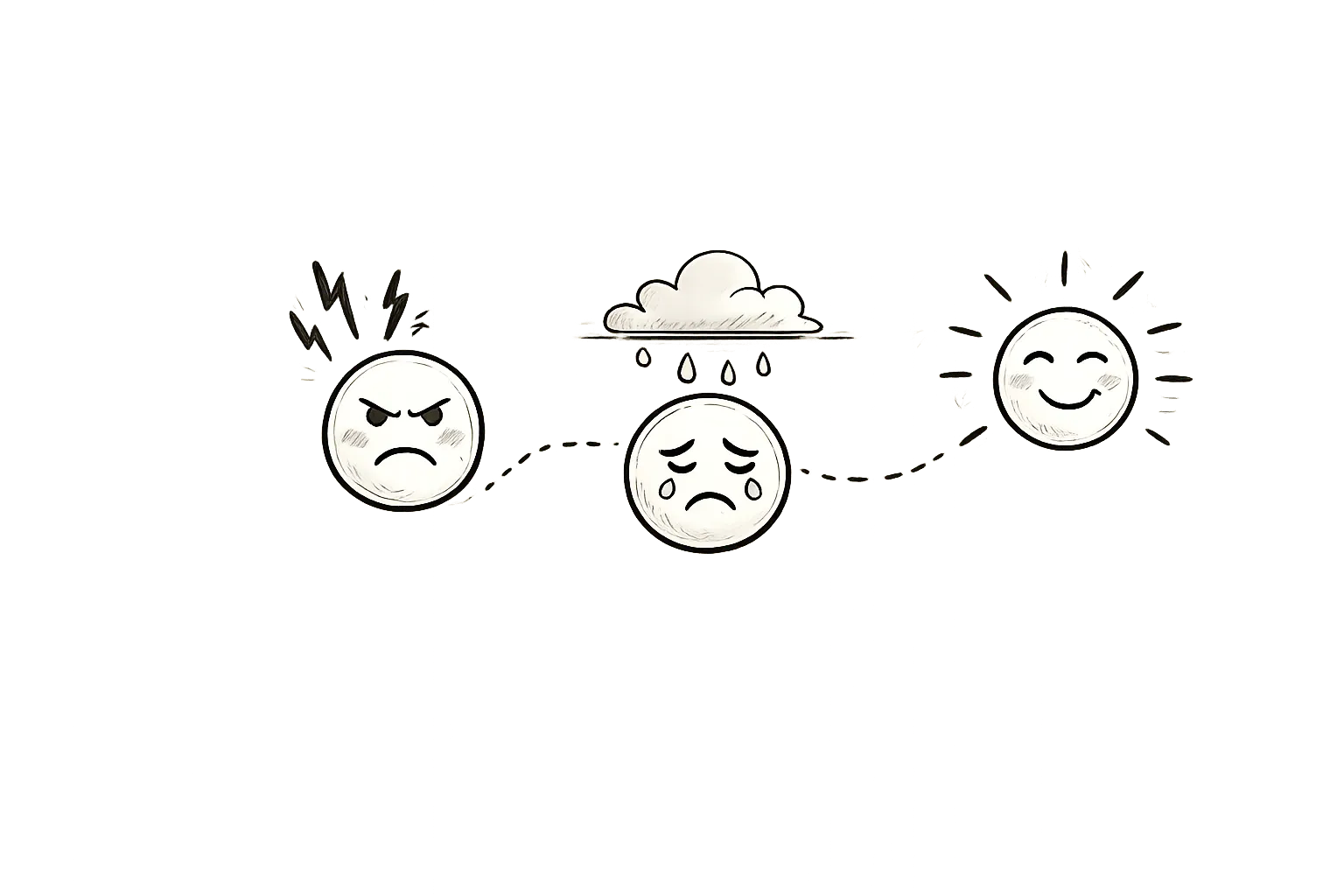
An emotion-based retro format that gives team members a safe space to express frustrations, concerns, and wins — building psychological safety and honest communication.
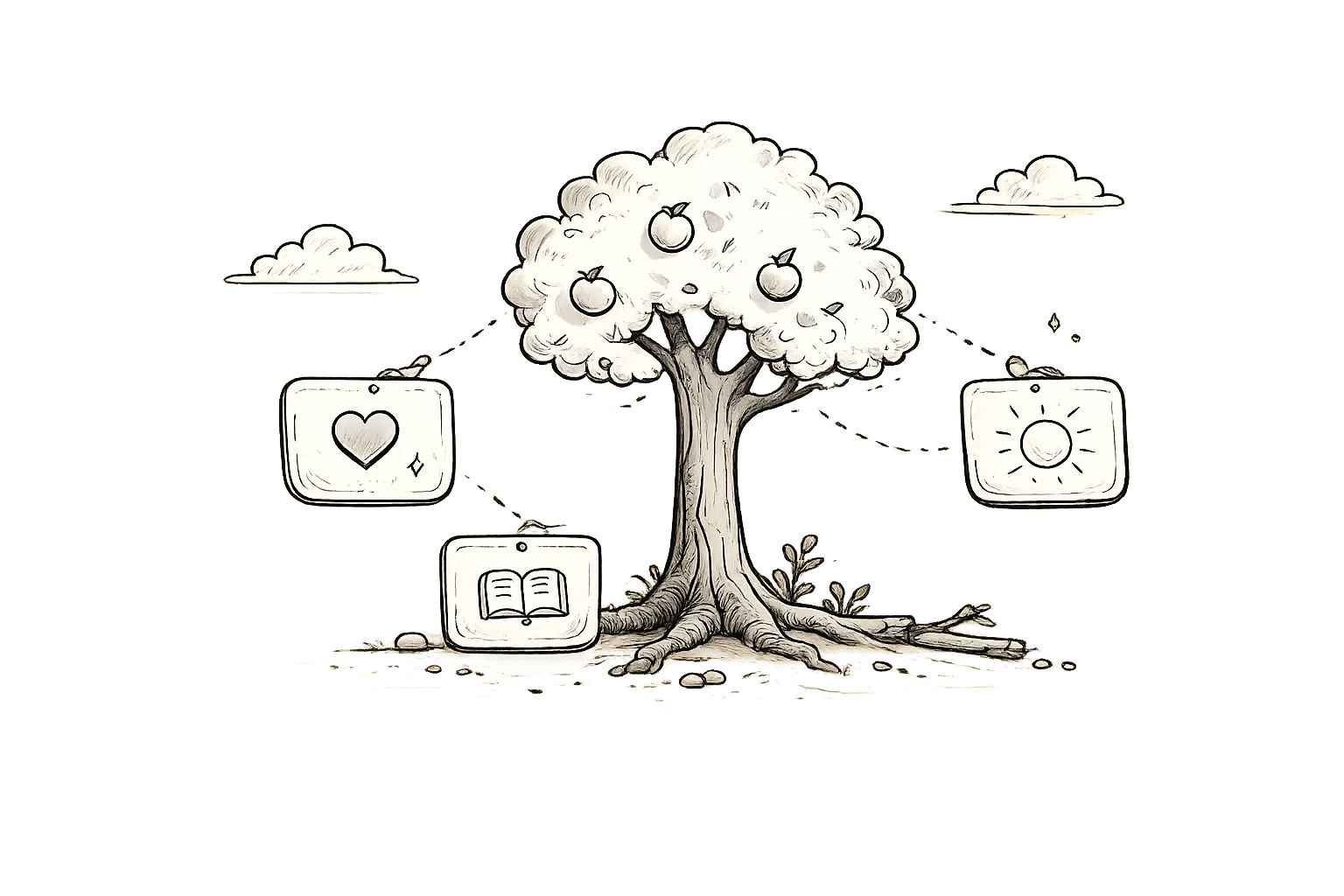
A structured four-column retro format — Liked, Learned, Lacked, Longed For — that balances positive reinforcement with honest improvement areas.

Go beyond start, stop, and continue. Use five focused prompts to decide which habits to keep, increase, reduce, stop, or introduce.

Reconstruct the story of your sprint. Capture what happened at the beginning, middle, and end, then turn the patterns into practical takeaways.
LetRetro uses Thank You, Team Wins, and Above & Beyond to distinguish direct help, collective results, and meaningful initiative.
There is no need to rank recognition. Use the cards as prompts for sharing specific contributions and their impact rather than comparing people.
It works well as a short recognition session, but unresolved problems still need a separate discussion or a broader retrospective format.
Yes. Appreciations is a built-in template available on the Free plan, subject to board and member limits.
Free forever plan. Start running better retrospectives in under 2 minutes.
Get Started Free